Legal & Paperwork
Property information forms and the cost of a careless answer
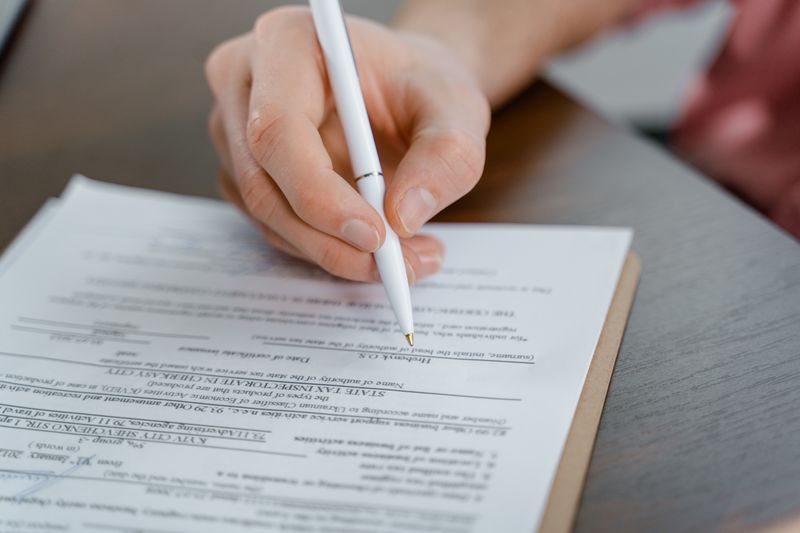
The forms a seller completes become part of the record a buyer relies on. An inaccurate answer can have consequences long after completion.

There is a settled way of talking about seller information forms. It is worth asking how much of it survives contact with the detail.
The argument in brief
- Answers form part of what the buyer relies on when contracting.
- Not known is a legitimate answer where it is honest.
- Documents referred to in the forms have to be supplied.
What the forms are for
Seller information forms record factual matters about the property that a buyer cannot establish from the title or from an inspection. They typically cover boundaries, disputes, notices, alterations, guarantees, services, rights, charges and what is included in the sale.
The buyer conveyancer reads them alongside the title and the searches, and raises enquiries wherever something is unclear or inconsistent. Their status varies between jurisdictions, but in many systems the answers form part of what the buyer relies upon in deciding to proceed. That is why they deserve an afternoon with the paperwork rather than twenty minutes of recollection.
The answers that cause problems
Disputes with neighbours are the most commonly under-declared item, and a buyer who discovers one afterwards has a serious grievance. Alterations are the second, particularly where work was done without approval and the seller answers as though nothing happened.
Put simply, flooding, damp treatment and insurance claims are frequently forgotten, though a claims history is often discoverable by the buyer independently. Questions about rights of way, shared drains and boundary responsibility produce vague answers where the honest answer is not known. Where you genuinely do not know, say so plainly, because an honest not known is far safer than a confident guess.
Consistency across the file
Answers must match the documents supplied, because a contradiction between a form and a certificate generates enquiries and delay. If a guarantee is mentioned, the document itself has to be produced, along with any evidence that it remains valid and transferable.
On an ordinary week, if alterations are declared, the approvals should be attached, and where they cannot be found the position should be addressed rather than left open. Where the property is leasehold, the lease terms and the management information have to align with what the forms say. A file assembled before marketing rather than during a transaction is dramatically less likely to contain these contradictions.
The consequences of getting it wrong
In many jurisdictions a buyer who relied on an inaccurate answer may have a claim, and the fact that completion has happened does not end it. Insurance and legal costs make such a claim expensive to defend even where the seller believed the answer was correct. Concealing something usually costs more than disclosing it, because disclosure leads to a price negotiation and concealment leads to a dispute.
Where it helps most, the forms are usually signed, and a signature on an inaccurate statement is difficult to explain later as an oversight.
Legal consequences differ by jurisdiction and this is general information, so ask a conveyancer what the standard is where the property is.
What a buyer should do with them
Read the forms yourself rather than leaving them entirely to the conveyancer, since you know which answers look implausible for that property. Compare them against the survey, because a survey finding that contradicts a form answer is a specific and useful enquiry. Ask for the documents referred to, and read the guarantees rather than accepting that one exists.
Where an answer is not known on something material, decide whether to investigate it yourself or accept the uncertainty knowingly. Keep the completed forms after completion, because they are the record of what you were told and they matter if a problem emerges.
Preparing them as a seller
Start early, gather the documents first and answer from them rather than from memory, which is where most inaccuracies originate. Ask the conveyancer about anything ambiguous rather than choosing the answer that seems least likely to cause trouble.
Where something is unresolved, such as missing consent, raise it with the conveyancer before the buyer finds it. Update the answers if circumstances change between completing the forms and exchanging, since the position is meant to be current. Accurate forms are also a selling advantage, because a buyer conveyancer who receives a complete file raises fewer enquiries and the sale moves faster.
The takeaway
Answer from the documents rather than from memory, disclose the awkward things, and keep a copy of what you signed.
Pick the one that costs you least, and let the rest wait.
Questions readers ask
Can I answer not known on the forms?
Yes, where it is honest. An accurate not known is far safer than a confident answer you cannot support, though a buyer may then investigate the point.
Do the forms still matter after completion?
In many jurisdictions yes. A buyer who relied on an inaccurate answer may have a claim, and completion does not automatically end the seller exposure.
Also by Laleh Farahani
- What conveyancing is actually doing while nothing appears to happenLegal & Paperwork
- Buying with someone you are not married toLegal & Paperwork
- Which cracks matter and which do notSurveys & Condition
- What a survey explicitly does not coverSurveys & Condition