Surveys & Condition
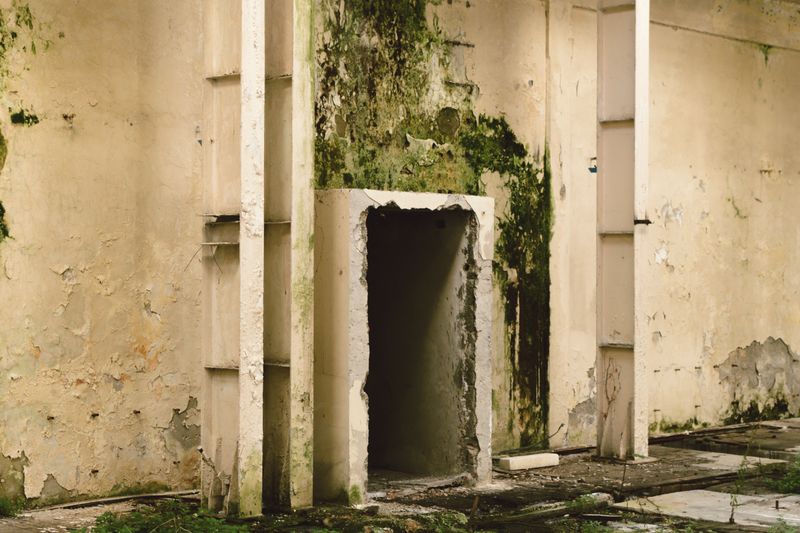
Damp findings are three different problems in one word
A survey noting damp could mean condensation, penetration or rising damp, and they cost wildly different amounts to fix.
Survey levels, damp, structure and what a report is really telling you.
21 articles · updated August 11, 2026 · page 1 of 2

Surveys & Condition
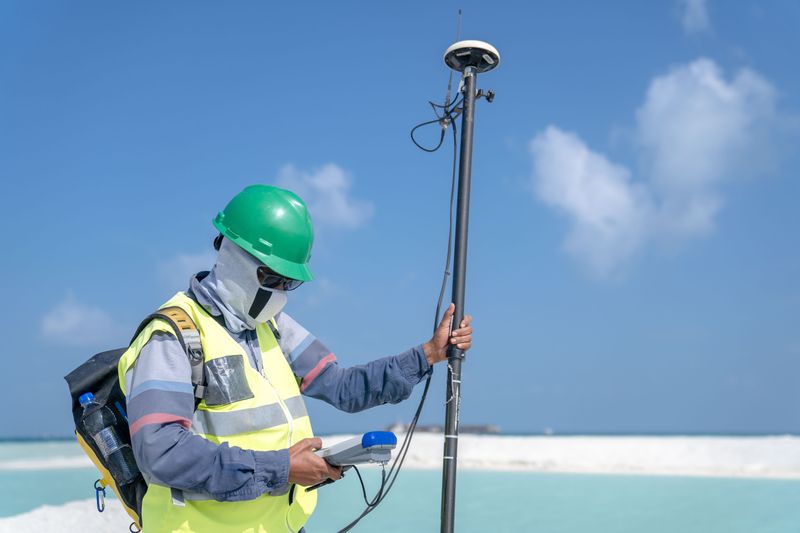
A lender valuation is not a survey. Confusing the two is how buyers discover a roof after completion.
Surveys & Condition
A survey noting damp could mean condensation, penetration or rising damp, and they cost wildly different amounts to fix.
Surveys & Condition
A lender valuation, a market appraisal and a formal surveyor valuation answer different questions and rarely agree.
Surveys & Condition
They involve ground moving down, up, or a new building bedding in, and their remedies and costs are unrelated.
Surveys & Condition
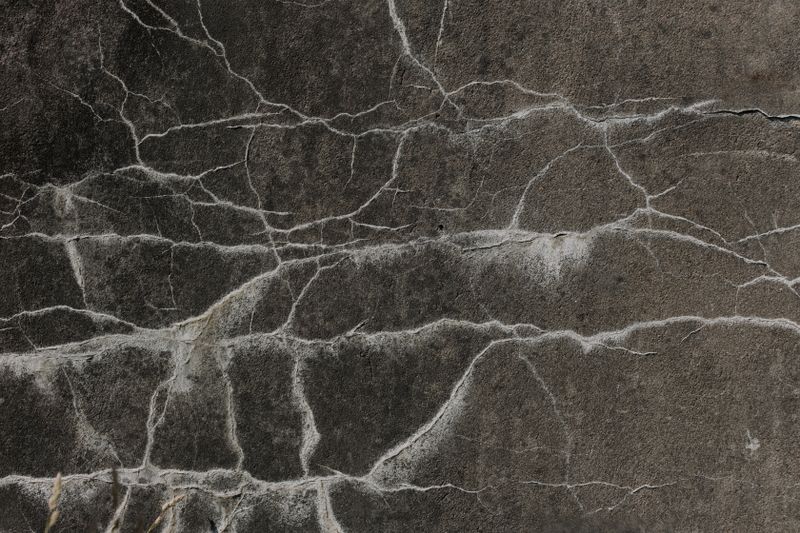
Every building has cracks. Width, direction, location and whether they are growing are what separate cosmetic from structural.
Surveys & Condition
The exclusions section is the most important part of a survey report and the least read.
Surveys & Condition
A plant can affect mortgageability, insurance and liability between neighbours, which is why surveyors look for a small number of…
Surveys & Condition
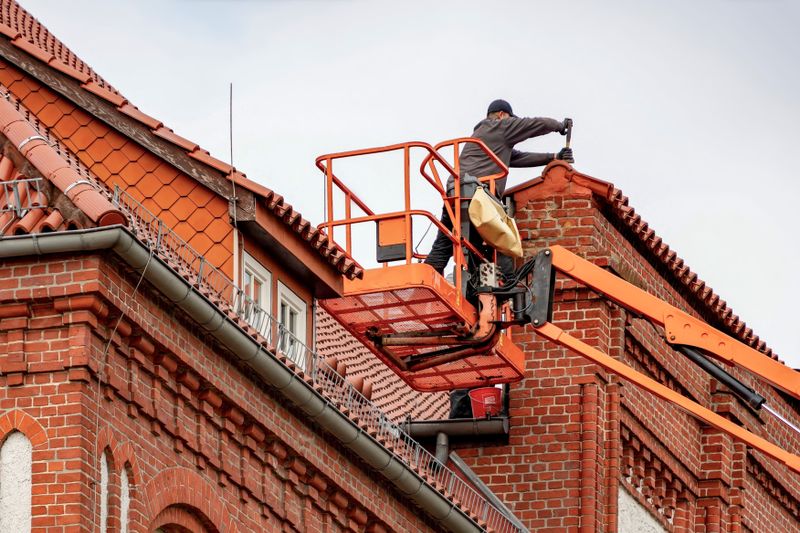
Most roof inspections happen from a ladder at eaves level or from the ground with binoculars, which shapes what a report can say.
Surveys & Condition
A building not made of masonry cavity walls is not necessarily worse, and it is treated differently by lenders, insurers and…
Surveys & Condition
Some risks attach to the land rather than the building, and they are researched through searches rather than through an inspection.
Surveys & Condition
A general survey observes the services and recommends testing. Those tests are separate instructions with separate certificates.
Surveys & Condition
This phrase is the most consequential sentence in most survey reports, and the most frequently ignored.