Selling
Preparing a house for sale without overspending
Some presale work returns more than it costs and some returns nothing at all. The difference is whether it removes a buyer objection.

What follows is an argument about presale improvements, and about where the received version of it stops being true.
The argument in brief
- Work that removes doubt pays better than work that adds taste.
- Buyers discount visible problems by more than the repair would cost.
- A full renovation immediately before sale rarely returns its own price.
What buyers actually price
Buyers discount for uncertainty, so a visible unexplained problem gets priced as though it were the worst plausible version of itself. A stain on a ceiling reads as an active leak, and a viewer who cannot tell will subtract a repair cost far larger than the real one.
That is the argument for fixing small defects: you are not adding value so much as removing a discount the buyer would otherwise apply. Taste-driven work is different, because a new bathroom in your preferred style is invisible to a buyer who intended to change it anyway. The dividing line is whether the work answers a question in a buyer's mind, not whether it makes the house nicer for you.
Cheap work with a disproportionate effect
Cleaning to a standard beyond normal domestic cleaning, including windows, grouting and carpets, changes the impression of a property more than any single purchase. Repairing dripping taps, sticking doors, dead light bulbs and cracked tiles removes the impression of a house that has not been looked after.
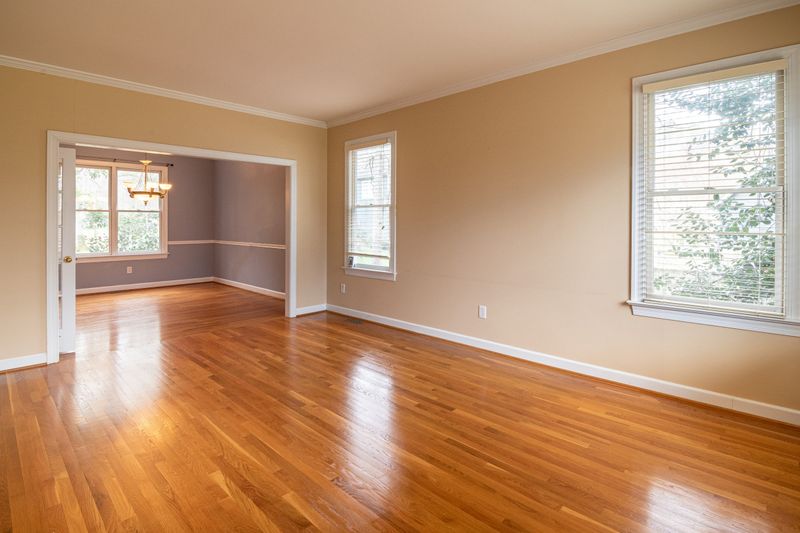
The useful part is this: neutral paint over scuffed walls is inexpensive and makes rooms photograph better, which matters because most buyers decide from photographs first. Improving light by cleaning windows, cutting back planting and replacing dim bulbs makes rooms feel larger without anybody touching a wall. Dealing with the smell of a property, whether from pets, damp or cooking, matters disproportionately because it is what viewers remember afterwards.
Where money disappears
A full kitchen or bathroom replacement immediately before a sale rarely returns its cost, because buyers value the room rather than its age. Extensions and conversions built in order to sell almost never recover their build cost, particularly where the finished property exceeds the ceiling for the street.
On an ordinary week, highly personal choices in colour, flooring or fittings narrow the buyer pool and can slow a sale that a neutral finish would not. Landscaping that demands maintenance can signal work rather than pleasure, and an elaborate garden appeals to a smaller group than a tidy one. Spending on parts of a house that buyers never inspect uses money without producing any evidence a viewer can actually see.
Decluttering is evidence, not tidiness
Removing roughly a third of the contents from a room lets a viewer see the floor, the walls and the actual dimensions of the space. Full cupboards read as insufficient storage even when the storage is generous, which is why emptying them changes how the house is perceived.
Furniture that is too large makes a room look small in photographs, and a photograph that undersells a room loses viewings before anyone arrives. Paid storage for a few months is cheap compared with a price reduction, and it also starts the packing you are going to do anyway.
Depersonalising slightly helps a viewer imagine living there, although a completely bare house can feel cold and read as a distressed sale.
The outside decides whether they come in
Many viewers form a view during the approach, and a poor exterior reduces what they are prepared to believe about the inside. Clean the entrance, repair the gate, cut the edges and move bins out of sight, because these are hours of work rather than large sums of money.
Put simply, blocked gutters, moss on paths and peeling paint on window frames all read as deferred maintenance, which is exactly what a survey looks for. Where parking is a feature of the area, making it obvious and usable is worth more than most improvements made indoors. Photographs taken in good light with a tidy exterior do more for a listing than any amount of careful copywriting.
Fix it or discount it, but decide
For any known defect there are two honest options: repair it before marketing, or price it in and disclose it plainly. The approach that reliably fails is concealment, because a survey usually finds it and the renegotiation then happens on the buyer's terms. Get a quote for anything significant even if you do not intend to do the work, since a quote turns an unknown into a number.
Where a repair needs a specialist report, having that report ready at the outset removes a common cause of delay after an offer. Disclosure obligations differ between jurisdictions and can be extensive, so ask a conveyancer what you are required to reveal before you decide.
The takeaway
Spend on the things that answer a buyer question, not the things that express your taste, and never on concealment.
Pick the one that costs you least, and let the rest wait.
Questions readers ask
Is it worth fitting a new kitchen before selling?
Usually not. A full replacement rarely returns its cost, and buyers who dislike your choices discount it anyway. Clean, repair and tidy the existing one instead.
Should I fix a known problem or reduce the price?
Either is defensible; hiding it is not. Get a quote so the issue becomes a number, then choose between repairing it and disclosing it with the price adjusted.