Selling
What the listing has to do in the first three seconds
Buyers meet a property as a thumbnail in a search results list. Almost everything about the sale is decided there.
The points below about property listings are ordered by how much difference they make, not by how often they get repeated.
What matters most
- The first image decides whether the listing is opened at all.
- Missing floor plans and tenure details remove buyers before they enquire.
- Descriptions that mislead create liability in many jurisdictions.
The search result is the real shop window
Most buyers see a thumbnail, a price and a one-line description, and decide from that whether to click. Everything else in the listing only reaches people who passed that filter. This makes the lead photograph, the price and the headline the three things worth disproportionate attention.
A property can be perfectly presented inside a listing that almost nobody opens.
Photographs are a technical problem
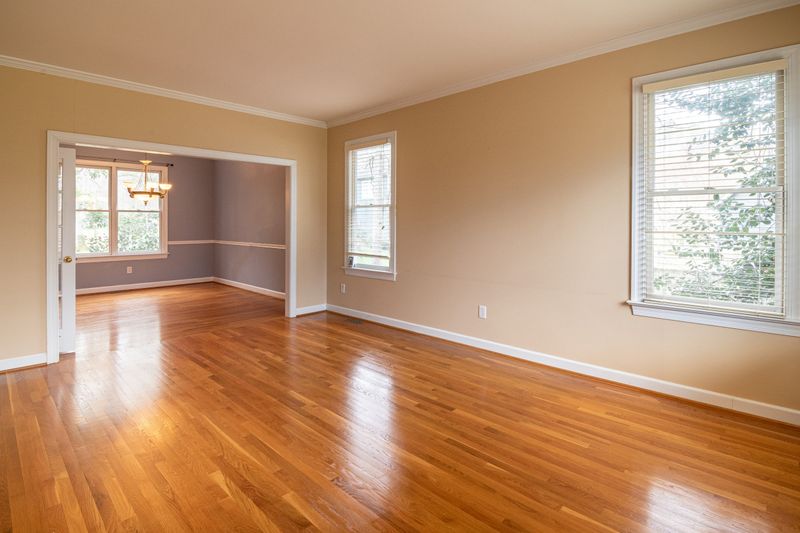
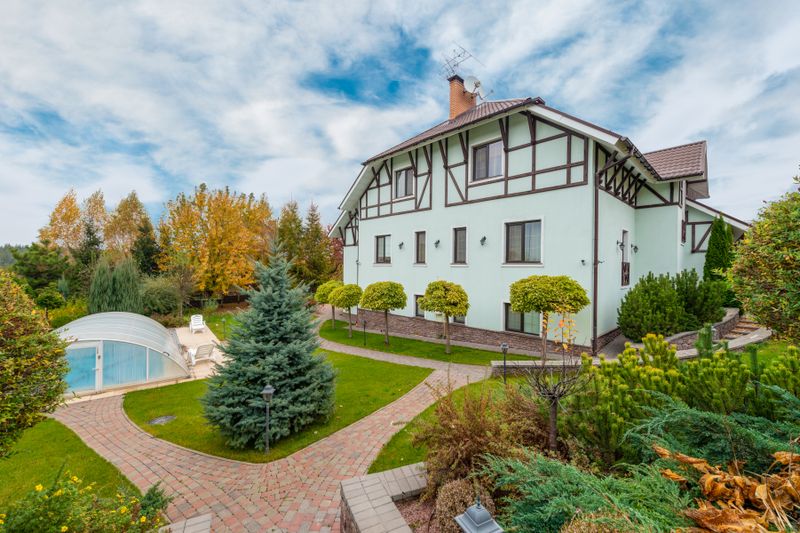
Wide, level shots taken in daylight with lights on and curtains open read as larger and better maintained. Photographs taken at night, at odd angles or with visible clutter suppress enquiries regardless of the property. A dull exterior shot on a grey day as the lead image is the most common self-inflicted wound in property marketing.
Put simply, professional photography costs a small fraction of a price reduction and can substitute for one.
Floor plans do work photographs cannot
A floor plan answers how the rooms relate, whether the layout works and how large the property really is. Buyers use plans to eliminate properties, which saves your time as well as theirs.
On an ordinary week, listings without a plan attract fewer enquiries and more wasted viewings from people whose needs the layout cannot meet. Include total area, and be accurate, because buyers check it against the property.
Say the things buyers filter on
Tenure, number of bedrooms, parking, outside space, heating type and any service charge are all filter criteria. Omitting one does not create intrigue; it removes you from searches that specify it.
Where it helps most, buyers assume the worst about anything unstated, particularly tenure and parking. Where something is genuinely unusual, explaining it plainly attracts the buyers who want it rather than repelling everyone.
Accuracy is a legal matter
Property descriptions in many jurisdictions are subject to consumer protection rules against misleading statements, including by omission. Describing a room as a bedroom when it lacks the required features, or omitting a known material fact, can create real liability. Agents carry much of that duty and will ask you to confirm facts, which is why the disclosure form matters.
Check the draft listing carefully before it goes live, because your agent is describing your property on your information.
Adjust the size of it until it is something you would actually do tired.
Refresh rather than repeat
Portals reward genuine changes, and a re-shot photograph set with a new lead image can revive a stale listing. Changing the price triggers alerts to buyers with saved searches, which is a real mechanism rather than a superstition. Relisting an unchanged property with the same photographs is visible to buyers and achieves very little.
Look at your own listing on a phone, next to the three competing properties, and ask which one you would open.
Everything above, in order of what to do first
- The search result is the real shop window. Most buyers see a thumbnail, a price and a one-line description, and decide from that whether to click.
- Photographs are a technical problem. Wide, level shots taken in daylight with lights on and curtains open read as larger and better maintained.
- Floor plans do work photographs cannot. A floor plan answers how the rooms relate, whether the layout works and how large the property really is.
- Say the things buyers filter on. Tenure, number of bedrooms, parking, outside space, heating type and any service charge are all filter criteria.
- Accuracy is a legal matter. Property descriptions in many jurisdictions are subject to consumer protection rules against misleading statements, including by omission.
- Refresh rather than repeat. Portals reward genuine changes, and a re-shot photograph set with a new lead image can revive a stale listing.
The takeaway
Fix the lead photograph and add the floor plan before you touch the price.
The version you keep doing is the version that works.
Questions readers ask
How many photographs should a listing have?
Enough to show every room, the outside space and the exterior, without repetition. A listing with three photographs invites the assumption that something is being hidden.
Should I mention a defect in the listing?
Material facts should not be concealed, and your agent has duties here in many jurisdictions. Presenting a known issue with context is also better than a buyer discovering it after a survey.
Also by Gareth Pryce
- The order property decisions actually arrive inBuying
- Survey levels, and which one is worth paying forSurveys & Condition
- Leasehold: the questions to ask before you offerLegal & Paperwork
- The running costs that start the day you completeRunning a Home